

Lechwe Hunting in Southern Africa
Lechwe are semi-aquatic antelope found in the wetlands and floodplains of Zambia, Botswana, and northern Mozambique. Their forward-sweeping horns and golden-red coats make them one of the most unique species available in African hunting.
Why Hunt Lechwe in Africa?
- Floodplain Specialists: Hunt near rivers, marshes, and seasonal wetlands.
- Unusual Horn Structure: Long, ridged horns that sweep forward rather than upward.
- Rare Safari Species: Not offered everywhere, making them a standout addition.
Hunting Methods
- Ambush on Floodplains: Wait for feeding Lechwe to emerge from cover.
- Spot-and-Stalk in Marshes: Be prepared to wade and glass from the high ground.
- Rifle Required: Most shots are long and across open water or grassland.
Lechwe are elegant, elusive, and perfect for seasoned hunters building out a spiral horn or unique trophy collection.
Where to Hunt Lechwe
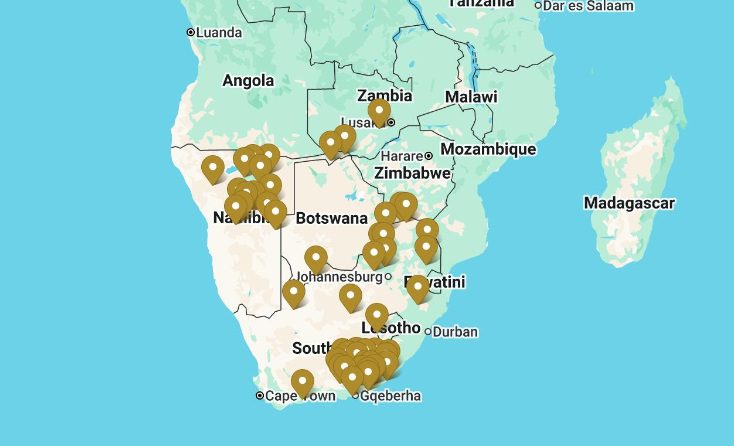
Lechwe are a type of antelope native to southern Africa, with their name derived from an African language. According to the SCI record book, huntable Lechwe are classified into three main subspecies.
The Kafue Lechwe is found exclusively in the Kafue floodplains of Zambia. The Black Lechwe is native to regions of Zambia, the Democratic Republic of Congo, and northern Botswana. The Red Lechwe, the most widespread of the three, can be found across Angola, Namibia, Botswana, Zambia, and South Africa.
Over time, Red Lechwe have been successfully introduced to private game farms, particularly in South Africa and Namibia. Namibia also maintains a free-range population in the Caprivi Strip.
That said, if you’re looking for the most authentic and productive Lechwe hunting experience, Zambia stands firmly at the top of the list.
Price Breakdown
Lechwe hunting costs vary widely depending on whether you’re hunting on a game ranch or pursuing free-range animals in their natural habitat. Location, exclusivity, and included species all play a role in pricing.
In Namibia, daily rates for Red Lechwe typically range from $350 to $520 per day, with trophy fees between $2,000 and $4,500.
In South Africa, you can expect slightly lower daily rates, usually between $350 and $450 per day, while trophy fees generally fall between $1,675 and $4,500, depending on the quality of the animal and the outfitter.
Zambia, which offers both ranch and free-range hunts, comes in at a higher tier. Daily rates range from $485 to $1,643 per day, largely influenced by the exclusivity of the hunt and any additional species included in the package. Trophy fees typically range from $3,000 to $4,750.
In short, you can hunt Lechwe on a modest budget or go all-in for a premium free-range experience. The price just follows how serious you are about it.
When to Hunt Lechwe
In South Africa, Lechwe can be hunted year-round thanks to managed game ranch environments. In Namibia, the hunting season typically runs from February 1 through November 30. In Zambia, the official season begins in May and ends in November.
The ideal time to hunt Lechwe is during the drier winter months, just before the rainy season begins around October. During this period, water levels drop and the animals become more concentrated, making them easier to locate and stalk.
As a water-dependent species, Lechwe are almost always found near floodplains, wetlands, and river systems in free-range environments. On game ranches, however, they may also be encountered in more wooded or controlled habitats, which changes the hunting dynamic slightly.
If you’re after a more authentic experience, timing your hunt around the dry season in a true floodplain setting is where things get interesting.
Hunting Method
Lechwe are uniquely adapted to wetland environments, with elongated, splayed hooves that allow them to move easily through mud and shallow water. They spend most of their time near water sources and will often wade in up to their shoulders to feed on aquatic plants.
When hunting Lechwe on a walk-and-stalk, focus your attention along the edges of floodplains, rivers, and wetlands, where they are most active. These animals are strong swimmers and won’t hesitate to enter deep water to escape danger, which can quickly complicate a stalk.
Because they are frequently found in open terrain with little cover, getting close isn’t always an option. As a result, hunters should be prepared for longer, well-placed shots, often across open ground or shallow water.
