
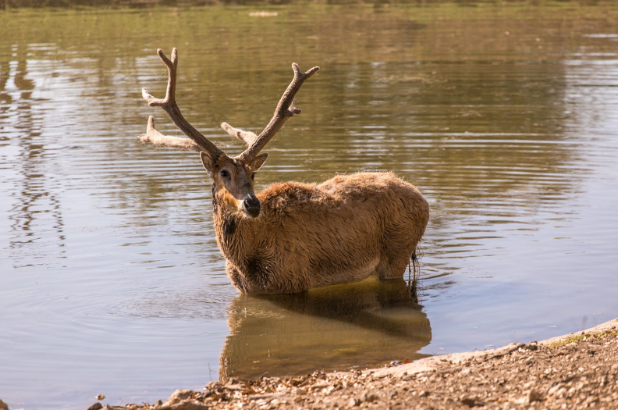
If you want serious Texas exotic game hunting tips, this guide breaks down everything you need to know before you hit the Texas Hill Country, West Texas, or any private ranch for your next hunt. From animal behavior to gear, timing, and terrain strategy, these tips give you a competitive edge and help you bag that trophy animal this season.
Why Focus on Exclusive Texas Exotic Game Hunting Tips?
Texas isn’t just big. It’s loaded with exotic game species like axis deer, fallow, nilgai, blackbuck, and others that thrive on private and high-fence ranches across the state. Unlike many native game hunts, exotic species often move differently, behave unpredictably, and require specific approaches to find consistent success. These actionable tips will help you hunt smarter, not just harder
1. Seasonal Behavior Shifts in Exotics
- Feed & forage changes: As native grasses and browse dry out, exotics shift habits, focusing in on water sources, residual green patches, and remaining browse.
- Movement & timing: Cooler mornings and evenings push more movement into first and last light. Midday movement often slows.
- Rut / breeding cues: Some exotics exhibit rut-like behavior in fall (or pre-rut), increasing activity, vocalization, and vulnerability.
Wind, Weather & Thermals
- Thermal inversions: In early fall, warming midday can create thermals that interfere with scent—plan hunts to avoid downdrafts carrying your scent uphill.
- Wind management: Fall breezes tend to be more consistent; use that to your advantage by planning approaches that keep the wind in your favor.
- Temperature swings: Big drops between day and night mean animals may bed more deeply until late morning; your most productive windows shift.
Terrain, Cover & Habitat Considerations
- Shrub & cover thinning: As foliage dies or becomes brittle, visibility increases – but so does the need to find natural cover (cacti, rock outcroppings, brush clumps).
- Water holes concentrate game: Water becomes more limited. Waterholes, springs, and low spots that collect moisture become high-traffic zones.
- Feed plots & supplemental feeding: Where legal, exotic hunts often use supplemental feeders or food plots. Monitor which are still producing and adjust routes.
Gear, Loadouts & Optics for Fall
- Calibers & shot selection: The lighter air in fall slightly reduces bullet drop – use this to your advantage at longer ranges (but don’t get overconfident).
- Camouflage & layering: Earth tones with muted neutrals work best; fall foliage may lend subtle ochres, russets, and browns. Dress in layers for cool mornings → warm afternoons.
- Optics & rangefinders: Use your glass to pre-scout early and late. Rangefinders become critical as cover thins and distances open up.
Timing Your Hunts & Trip Planning
- Peak windows: Early to mid-October is still solid; many hunts stretch into November. Be mindful of deer season dates, land management closures, and weather forecasts.
- Booking & lodging: Lodges begin to see more bookings now. Early fall bookings often get the best room or camp placements.
- Scout ahead: Use September and early October to scout water, game trails, and feeding zones so your hunt week is efficient.
Fall in Texas offers one of the richest windows for exotic and Texas-style hunts. Understanding how seasonal variables shift animal patterns, and aligning your strategy accordingly, can make the difference between a good trip and a trophy hunt. At Safari Specialists, we’re experts in tailoring hunts to the time of year – and we’d love to help you make your fall adventure unforgettable.
Book Smart & Plan Logistics
Finally, planning your trip like a pro means:
- Booking lodging and guides early, especially in fall.
- Confirming ranch rules, weapon restrictions, and feeding policies.
- Bringing enough supplies (food, water, gear) — Texas hunts can be unpredictable.
The more organized you are before arrival, the more efficient your hunt week becomes.
If you treat your preparation with the same intensity you give your shot, your exotic hunts in Texas will be far more successful. From understanding animal movement and seasonal shifts to dialing in the right gear, picking the best terrain and timing, and knowing how to hunt specific species, these Texas exotic game hunting tips are designed to make your next trip more productive and enjoyable.
Want more tips on specific regions or species? I can map out a detailed plan tailored to your next hunt
