
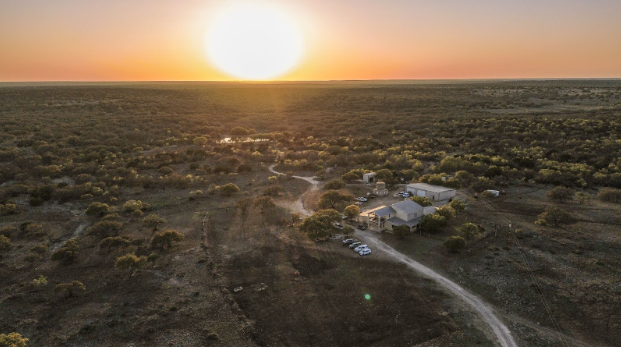
West Texas hunting is as rugged as it gets, especially when chasing aoudad or other exotics in steep terrain and arid environments. Fall conditions pose unique challenges – and opportunities – for spot-and-stalk hunters. This article delves into how wind, temperature shifts, and terrain evolve this time of year and how you can optimize your stalks for success.
Understanding Fall Wind Patterns & Their Impacts
- Prevailing wind shifts: As atmospheric pressure changes, wind directions may shift compared to summer. Map typical seasonal wind corridors.
- Scent management: Cooler, drier air can carry scent further. Use micro-ridge sneaks, flank approaches, or use terrain shadows.
- Wind lull periods: Early mornings and late afternoons may bring calm pockets – identify them on your maps and plan timing accordingly.
Temperature Effects on Animal Behavior
- Thermal blankets & bedding habits: Cooler mornings mean animals may bed deeper until warmed by sunlight.
- Midday pressure: During warmer midday periods, game may move into shady draws, overhangs, or sheltered terrain – watch these areas.
- Evening push: The shift toward dusk often encourages movement from bedding to feeding zones, especially near cover or water.
Reading Terrain & Selecting Approach Paths
- Elevation & aspect: South- or west-facing slopes may warm earlier and attract movement. North-facing draws may remain cooler throughout.
- Natural funnels & ridgelines: Use ridgelines and saddles to funnel game or mask your silhouette.
- Vegetation and ground cover: With brush thinning, silhouette exposure increases – use broken terrain, shadows, and rock humps to break your outline.
Shot Opportunities & Range Realities
- Distance expectations: In the open West Texas country, shots may stretch longer. Use your optics to spot in advance, then posture for shot angles.
- Shooting uphill/downhill: Be acutely aware of vertical angles – wind and bullet trajectory adjustments change in steep terrain.
- Stabilization techniques: Carry a bipod or shooting sticks; in steep terrain, lower your center of gravity, use elbows or foldouts.
Patience, Persistence & Time Management
- Segmented stalks: Rather than one long push, use a series of shorter stalks with re-glassing in between.
- Regroup phases: After a failed stalk, fall back to a vantage, re-observe, and adjust rather than pushing blindly.
- Light windows: Capitalize on first light and last light. Those two windows often yield the highest movement odds.
Spot-and-stalk in West Texas during fall requires a blend of reading wind, being flexible with routes, and maximizing those movement windows. By understanding how terrain, temperature, and wind shift this time of year, you can greatly improve your odds of closing the gap. At Safari Specialists, our guides bring local expertise in this country – and we’d love to tailor your next stalk to seasonal nuances.
